


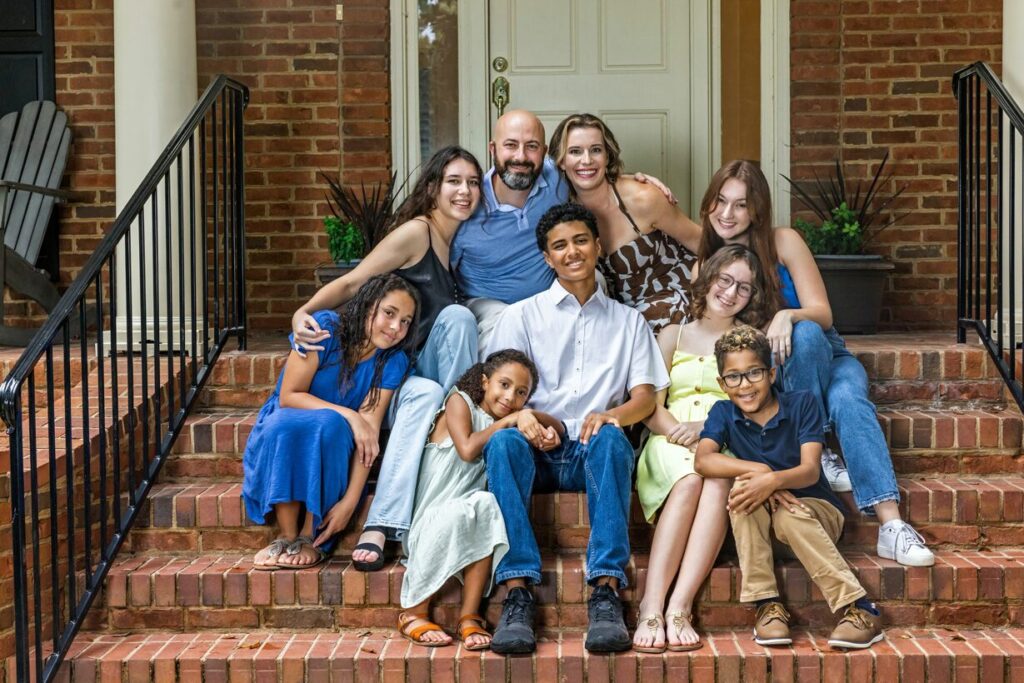
Blended families are common—and they’re also one of the easiest places for an estate plan to unintentionally break down. If you’ve remarried, have children from a prior relationship, or are raising stepchildren, you need a plan that protects the surviving spouse and ensures your children aren’t accidentally disinherited.
This guide covers the big Minnesota-specific issues that come up in blended family estate planning MN, including what stepchildren do (and don’t) inherit under Minnesota law, and the documents that can help you avoid conflict.
This article is general information, not legal advice.
Why “everything to my spouse” can be risky in a blended family
Many couples assume this plan is simplest: When I die, everything goes to my spouse. When they die, everything goes to the kids.
In a blended family, that can backfire because after the first spouse dies:
- The surviving spouse can legally change their will or beneficiaries.
- The surviving spouse may remarry, and new heirs or obligations can shift priorities.
- Children from the first marriage may be left with “whatever is left,” or nothing.
- Retirement accounts and life insurance may pass by beneficiary forms—not the will.
A strong blended family plan is designed to prevent “unintentional disinheritance,” not just reduce paperwork.
Stepchildren inheritance in Minnesota: the key rule
Here’s the headline: stepchildren generally do not inherit under Minnesota intestacy law unless they are legally adopted.
That means if you die without a valid estate plan, your stepchildren may receive nothing—even if you helped raise them, paid expenses, or intended to treat them equally.
If you want stepchildren included, your plan must say so clearly (in a will, trust, beneficiary designations, or a combination).
Your spouse may have rights even if you try to disinherit them
Minnesota law gives a surviving spouse certain protections that can affect blended-family plans, including:
- Elective share rights (a spouse may claim a statutory share even if excluded)
- Homestead protections
- Certain allowances/exempt property rights
This doesn’t mean you can’t create a plan that protects your kids from a prior relationship—it means you need a plan that works with Minnesota’s spousal protections, not against them.
Common blended-family goals (and how estate planning can achieve them)
Most blended families want one or more of these outcomes:
1) “I want my spouse taken care of—but my kids must inherit too.”
A common tool here is a trust (often a “family trust” or “marital trust” structure), where:
- The spouse can use trust assets for support (and sometimes income),
- But the remaining principal is preserved for your children at the spouse’s death.
This balances stability for the surviving spouse with protection for the children.
2) “We want our children treated fairly—even if not equally.”
“Fair” may mean:
- Each spouse leaves their own assets to their own children
- Shared assets are split in a defined way
- Specific items (cabin, heirlooms) are earmarked for particular kids
- Life insurance is used to “equalize” inheritances
The key is writing this clearly so it’s not left to guesswork.
3) “I want to include stepchildren.”
You can include stepchildren by:
- Naming them in your will or trust
- Naming them as beneficiaries on accounts/insurance
- Creating a trust that benefits all children
- Using a memorandum/list for personal property (when legally permitted and properly referenced)
If you want stepchildren to inherit, do not rely on assumptions—spell it out.
The documents that matter most in blended family estate planning MN
A will (or better: a coordinated will + trust plan)
A will is the foundation, but in blended families, a trust often provides more control and fewer future disputes.
Beneficiary designations (retirement and life insurance)
These override the will in many cases. Review and update:
- 401(k), IRA, Roth IRA beneficiaries
- Life insurance beneficiaries
- Payable-on-death and transfer-on-death accounts
If you forget this step, the rest of your plan can be undermined.
A Health Care Directive and Power of Attorney
Blended families sometimes face tension about who should make decisions in a crisis. These documents let you choose:
- Who can make medical decisions
- Who can manage finances if you’re incapacitated
- Backup agents (important if family relationships are strained)
Real estate and “legacy property” (cabins, family homes, land)
Blended families often fight over real estate—not because anyone is greedy, but because the plan is unclear.
If you want a cabin to stay in the family, talk through:
- Who can use it
- Who pays expenses
- Whether it will be sold at a future date
- Buyout rights and valuation method
- Whether ownership should be placed in a trust or LLC
A short plan now can prevent a lawsuit later.
How to reduce the chance of conflict (and contests)
Blended-family plans are more likely to be challenged. You can reduce risk by:
- Keeping documents consistent (will + trust + beneficiaries aligned)
- Using clear, specific language (no vague “my family” wording)
- Reviewing plans after major changes (new marriage, new child, big asset purchase)
- Documenting the “why” carefully (through attorney guidance—not emotional letters that create ambiguity)
A quick checklist for blended families in Minnesota
- ✅ Inventory “mine, yours, ours” assets
- ✅ Decide whether the spouse receives assets outright or via a trust
- ✅ Identify exactly who inherits (children, stepchildren, charities)
- ✅ Update beneficiaries on retirement + life insurance
- ✅ Plan for real estate and family heirlooms
- ✅ Name decision-makers for health and finances
- ✅ Review the plan after remarriage, divorce, birth/adoption, or a move
Soft next step
If you’re navigating a blended family and want a plan that protects everyone you love—without leaving your kids (or stepchildren) in a future conflict—we can help you build a clear, Minnesota-specific strategy. For blended family estate planning MN or questions about stepchildren inheritance Minnesota, contact us for a brief, pressure-free consultation and we’ll help you map the next right steps.